
Iron deficiency is the most common nutritional gap in the world and hits menstruating women hardest. Why to test for it before treating it.
Tiredness that sleep does not fix is among the most common complaints in a family doctor’s office. One of the most common causes behind it is iron deficiency.
Worldwide it is the most widespread nutritional gap, and among menstruating women it is especially common. Estimates pooled across studies put the share at roughly a quarter.
The reason is the monthly bleed. Blood carries iron out with it, and a heavy period loses more than diet easily replaces.
Pregnancy and breastfeeding raise the need further. Reference values in the German speaking countries set women of childbearing age at about 15 milligrams a day, well above the figure for men.
Some groups are hit more often. Vegetarians and vegans take in iron only in its less usable plant form.
Endurance athletes lose extra iron through sweat and minor damage in the gut. A very heavy period is a risk in itself and a reason to have it checked.
How it shows up
The deficiency announces itself vaguely. Exhaustion, trouble concentrating, pallor, hair loss, cold hands, breathlessness on exertion.
Some develop restless legs at night or a craving to chew ice. Because the signs fit so many things, months often pass before anyone checks.
Test before you treat
It can be identified only in the blood, and ideally before it becomes full anaemia. The single most useful value is ferritin, the body’s iron store.
It can read low while the red blood count still looks normal. That early shortfall often explains the tiredness long before anaemia sets in.
Testing comes before self treatment, for good reason. Taking iron on suspicion is not harmless: the body cannot simply excrete surplus iron, and in some people with a storage disorder it builds up dangerously.
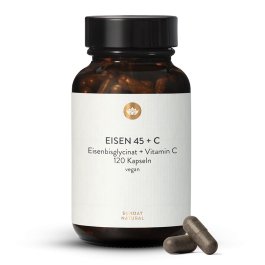
Once a deficiency is confirmed, an iron rich diet and often an iron supplement help, ideally with medical guidance and a recheck after a few weeks.
When treatment is needed, it takes patience. Stores refill over weeks to months, not days, and the tiredness often lifts only once ferritin rises again.
Tablets upset some people’s stomachs; a lower dose or taking it every second day is frequently better tolerated and can even improve absorption.
Dietary iron comes in two forms. The body absorbs the kind in meat more easily than the kind in plants.
Legumes, whole grains and green vegetables still supply plenty, especially with vitamin C, which improves uptake. Coffee and black tea at the same meal slow it.
Iron deficiency is easy to miss and easy to confirm. The detour through a blood test costs little and separates those who genuinely need iron from those better off avoiding it.