
Trillions of bacteria live in the gut, and they feed on what most people eat too little of. What fibre does, and what the hype overstates.
The large intestine holds more bacteria than the body has cells of its own. This community, the microbiome, digests parts of food the body cannot break down itself.
Its main raw material is fibre, and fibre is exactly what most people eat too little of.
Fibre is the plant material the small intestine does not digest. It is found in vegetables, fruit, legumes, whole grains, nuts and seeds.
Some of it swells and regulates digestion mechanically. The rest feeds the gut bacteria.
The German Nutrition Society recommends at least 30 grams a day. Many people barely reach half.
Not all fibre is the same. Broadly it divides into soluble and insoluble forms.
Soluble fibre, in oats, legumes and apples for instance, binds water into a gel, slows the rise in blood sugar and lowers cholesterol.
Insoluble fibre, mainly in whole grains and vegetables, adds bulk to stool and speeds its passage. A good supply needs both, and a varied plant diet delivers them together anyway.
What the bacteria make of it
What the bacteria make of it is the real point. They ferment fibre into short chain fatty acids, among them butyrate.
These compounds feed the cells of the gut wall, keep it sealed and dampen inflammation. Without a supply of fibre the bacteria lack their substrate, and some begin to feed on the gut’s own mucus layer instead.
The benefit reaches beyond digestion. Large observational studies link a fibre rich diet to a lower risk of cardiovascular disease, type 2 diabetes and colon cancer.
Part of that protection traces to the short chain fatty acids, part to the fact that fibre rich foods satisfy for longer and crowd out worse ones.
Diversity appears to matter. A microbiome with many different species is considered more resilient than one dominated by a few.
That variety is fed by variety on the plate, different plants across the week rather than the same handful each day. An often quoted target is thirty different plant types a week, more rule of thumb than law.
The gut is also in constant exchange with the immune system and the brain. A large share of the body’s defensive cells sit in the gut wall, and through nerves and messengers the gut reports back to the brain.
Research on this link is young and much remains open; the popular promises that the microbiome governs mood and character run well ahead of the evidence.
Alongside fibre stand fermented foods. Yoghurt, kefir, sauerkraut, kimchi and others bring live bacteria with them.
Small studies suggest a diet high in fermented foods raises gut diversity and lowers markers of inflammation. The evidence is newer and thinner than for fibre, but it points the same way.

What the hype overstates
How sensitive the system is shows after a course of antibiotics. The drugs hit not only the pathogens but part of the useful bacteria too, and gut diversity then needs weeks to months to recover.
Antibiotics are often indispensable, but every unnecessary use costs the microbiome something.
The market has discovered the gut, and with it the overstatement. Expensive microbiome tests that derive personal eating plans from a stool sample deliver little of what they promise; the microbiome shifts too fast and is too poorly understood.
Probiotic capsules, too, do not work across the board but vary widely by strain and purpose.
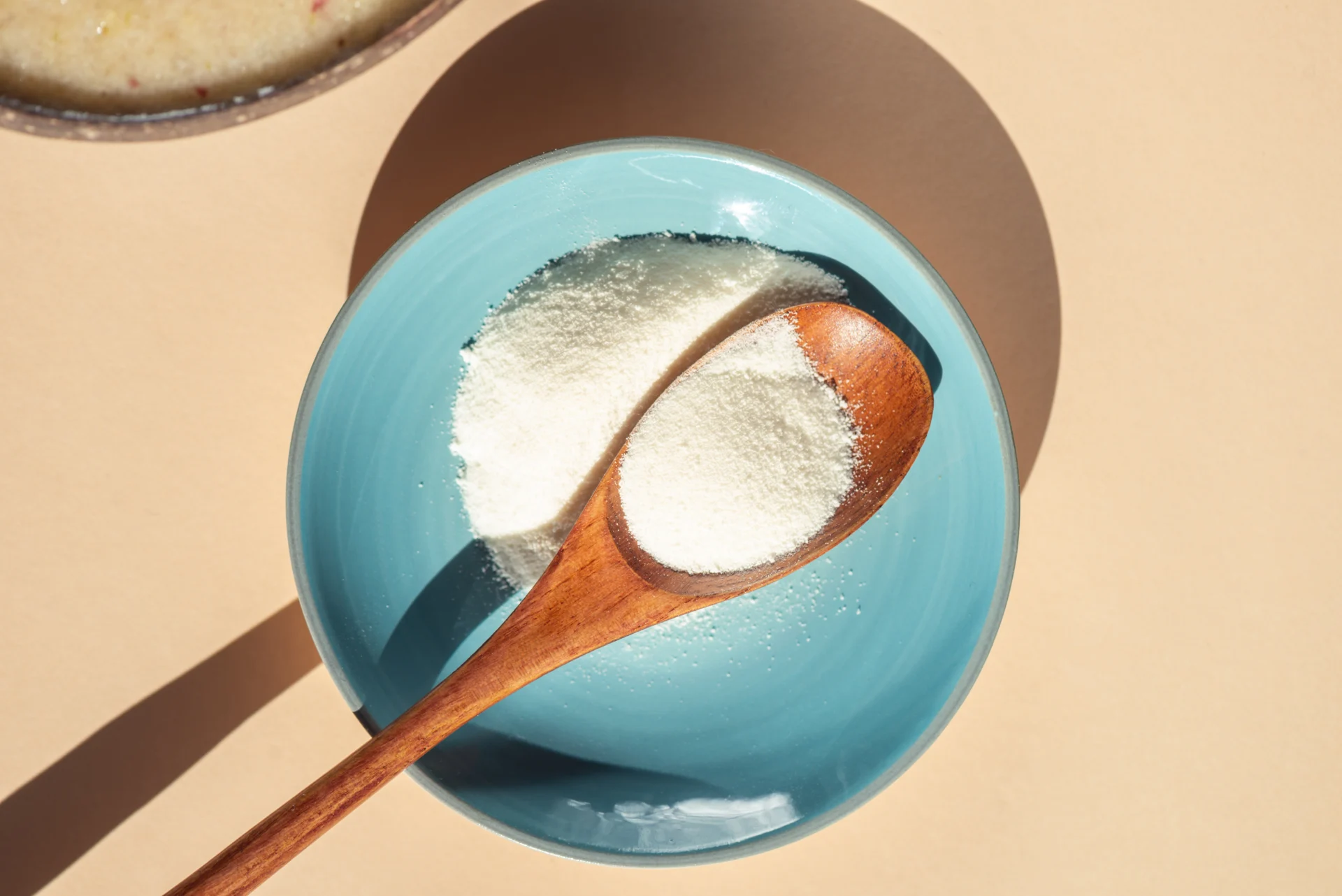
A fibre supplement such as psyllium husk can fill a real gap, but it does not replace the variety that comes from the plate.
The change is best made slowly. Doubling fibre overnight often brings bloating and discomfort, because the microbiome has to adjust first.
More plants step by step, with enough fluid, and the complaints usually settle within a week or two.
The microbiome cannot be programmed with a supplement. It follows what lands on the plate regularly. Feeding the bacteria you want to keep gets closer to the point than any test.